


San Diego Warrant Check
🔷
San Diego Warrant Check 🔷
How to Check For Warrants in San Diego County
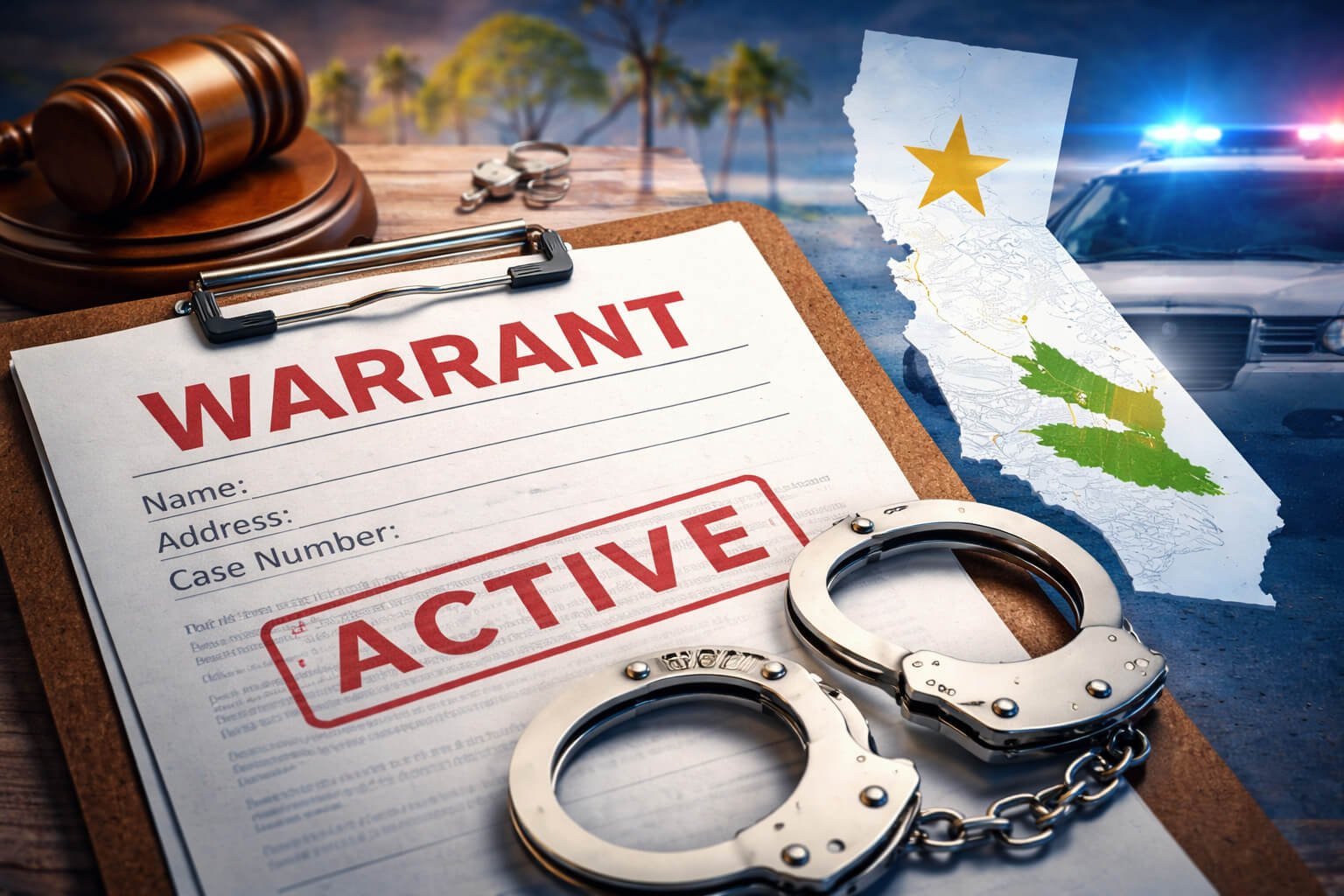
An active warrant in San Diego County means a judge has issued a court order for a civil violation or criminal allegation, requiring the person listed on the court order to comply with the issuing demands. These judicial orders are usually to arrest someone or to bring them back to court, depending on the legal situation. Warrants don’t “expire” just because time passes; they stay active until the court recalls (quashes), the person is arrested, or the person resolves the underlying issue.
This guide will walk you through (1) the most common warrant types you’ll see in San Diego County, (2) how to check their status using official resources, (3) which cities commonly have the most active warrants, and (4) the criminal issues most commonly lead to court ordered arrests.

Types of Warrants in San Diego County
While there are a multitude of various types of court ordered warrants, the most common types issued in San Diego county are arrest and bench warrants. Both of these types of court orders carry distinctly different penalties that we’ll cover in detail.
San Diego Arrest Warrants
These are court orders issued for someone’s arrest, which stems from the courts finding probable cause that a crime, or criminal act, has occurred by a person, or persons. The court order will state the criminal allegation, a description of the person of interest, and the responsible law enforcement agency that is tasked with apprehending them, placing them in jail until they can be arraigned in court.
San Diego Bench Warrants
A bench warrant on the other hand, is a civil violation, which is not considered a violation that requires someone to be arrested. Rather, it’s a result of someone not complying with a specific court order such as a mandatory court appearance, unpaid court fees, missed community service, failure to comply with treatment programs, or having multiple unpaid traffic violations. While these orders are not enforced the same way as a criminal violation, they are still considered serious and must be handled quickly as additional fines and penalties may be tacked on.

How to Look Up San Diego Warrants Online
Accessing warrant information online is the most convenient way to resource these publicly available records. With a first and last name, you can find out if there is anything issued for anyone in San Diego county. It may also be helpful to know the person’s age or date of birth as there may be multiple listings for people with common first and last names.
San Diego Sheriff Department
Arrest court orders are issued when there is strong supporting evidence, probable cause, or a sworn affidavit, which implies that someone committed a crime. Law enforcement are authorized to locate and arrest the individual, which is usually the Sheriff Department. Since these arrest orders are considered public record, you can typically look them up through Sheriff’s Office website.
San Diego County Court Clerk
Because all warrants are legal court orders issued by a judge or magistrate, contacting the San Diego County Court Clerk, either through their official website or by visiting the office in person, can provide access to this information. Typically, you will need the individual’s full name, including their middle name, along with either their age or date of birth to conduct a search.
While many law enforcement resources only provide information on active arrest warrants, the San Diego Superior Court can often provide access to records for all types of court orders, criminal records, civil records, judgments, and convictions.
Third Party Resources
Public records related to warrants and court cases can also be accessed through privately operated third-party public records websites and background check services. These platforms have become popular because they offer a convenient and confidential way to search public records online.
Another advantage of these services is that they often aggregate data from multiple jurisdictions and states, allowing users to perform searches not only locally but sometimes statewide or even nationwide, depending on the provider.

San Diego Cities With the Most Warrants
While the numbers fluctuate which of the 17 cities within San Diego county have the most active warrants, this information is not always publicized. The best supported estimates are the cities with larger populations typically have the most amount of crime, court case volume, and active warrants. This is the list as follows:
1). City of San Diego Warrants - SD Public Defender
2). Chula Vista Warrants - Chula Vista Police Department
3). Oceanside Warrants - Oceanside Police Department
4). Escondido Warrants - Escondido Police Department
5). El Cajon Warrants - City of El Cajon Records Office
6). San Marcos Warrants - San Marcos Sheriff’s Office
Reasons Warrants Are Issued in San Diego
The majority of SD warrants are triggered various court process issues, and not new crimes, the most common “charges” tied to these court orders often fall into a few buckets:
1). Failure to appear (FTA)
Missing a court date is by far one of the most common pathways to a civil court ordered bench warrant. The San Diego Superior Court lists failure to appear as the primary reason these are issued. While they do not typically result in a person’s arrest, they must be addressed promptly, or additional fines and penalties may be issues.
2). Failure to comply with court orders
These can fall into both civil and criminal violations, which stem from not completing court-ordered requirements, treatment programs, community service, child-custody related orders, etc. If it’s related to a criminal violation, then that person may be arrested by law enforcement at any time.
3). Probation violations
Probation issues are a frequent driver court ordered arrests, such as; missed check-ins, failed tests, violations of probation terms. San Diego County’s Probation department even has formal procedures to handles these situations, reflecting how common these are.
4) Underlying criminal cases
When people ask “what are the most common charges are associated with warrants,” they are usually referring to the underlying cases where a person later misses their respective court date, or violates their release or parole terms. The most common underlying categories include:
a). DUI / driving-related criminal offenses
b). Theft and burglary-related offenses
c). Various drug offenses
d). Assault and battery
e). Domestic violence charges
f). Protective orders & restraining order violations
g). Weapons-related offenses (e.g. possession of illegal firearms)
h). Fraud-related offenses & white-collar crimes
While these categories can vary slightly from year to year, this order stays fairly consistently in SD criminal dockets and arrest data from the SanDag.org research findings from the county’s criminal justice system.

San Diego County Warrants - Frequently Asked Questions
How can I check I have a warrant in San Diego?
You can check for an active arrest orders in through the San Diego County Sheriff’s online lookup tool. Searches will require a full name. It’s recommended to also know the age or DOB of the person as many people have similar first and last names. You can also contact the Sheriff’s Office directly or check court case records through the SD Superior Court website.
Can I lookup San Diego warrants for free?
Yes, since they’re considered public records, you can access this information through law enforcement and county courthouse websites without having to pay. However, if you want detailed information on a person’s criminal or civil case, you may need to pay for these more comprehensive records.
Can I lookup someone else’s warrant status in San Diego county?
Absolutely, since they are part of the public records system in California, anyone can view this information without needing to ask special permission. Public databases typically allow searches using a person’s name and date of birth. However, the information may be limited depending on the type of court order issued.
Who has a warrant in San Diego?
To find out if someone has one issued in their name, you can check with the county sheriff department, the Superior courthouse clerk, or third party background check websites. These are considered public information that anyone can access without needing special permission.
Who’s in jail for a San Diego warrant?
You can check with the SD County Sheriff Department to find out who has been arrested and is currently in jail. Simply visit their free online inmate search tool and enter a first and last name to find who’s in jail.
Will civil court orders result in someone’s arrest?
Not usually. Civil court orders are typically issued for non-criminal violations and generally result in fines, penalties, or a mandatory appearance in court. Criminal court orders, on the other hand, are issued when someone is accused of committing a crime and lead to local law enforcement taking that individual into custody. However, failing to comply with a civil court order can sometimes lead to additional legal consequences, including fines, penalties, and community service.
Can I clear a San Diego arrest warrant without being arrested?
Yes, in some cases it may be possible to resolve an active arrest warrant without being taken into custody. However, it is usually advisable to consult with an attorney before contacting the court to discuss your options. Understanding your legal rights, the specific charges involved, and the potential outcomes can help you determine the best course of action. An attorney may also be able to help arrange a voluntary court appearance or guide you through the process of addressing the matter with the court.